
Eat With The Seasons
Discover how seasonal eating transforms your wellness journey. Our editorial guides explore the nutritional benefits of locally-grown produce, seasonal recipes, and evidence-based insights into how eating with nature's rhythm supports your health and vitality.

Right Now: Autumn Harvest Season
Peak produce includes apples, pumpkins, root vegetables, and leafy greens. Perfect for nourishing your body as weather turns cooler.
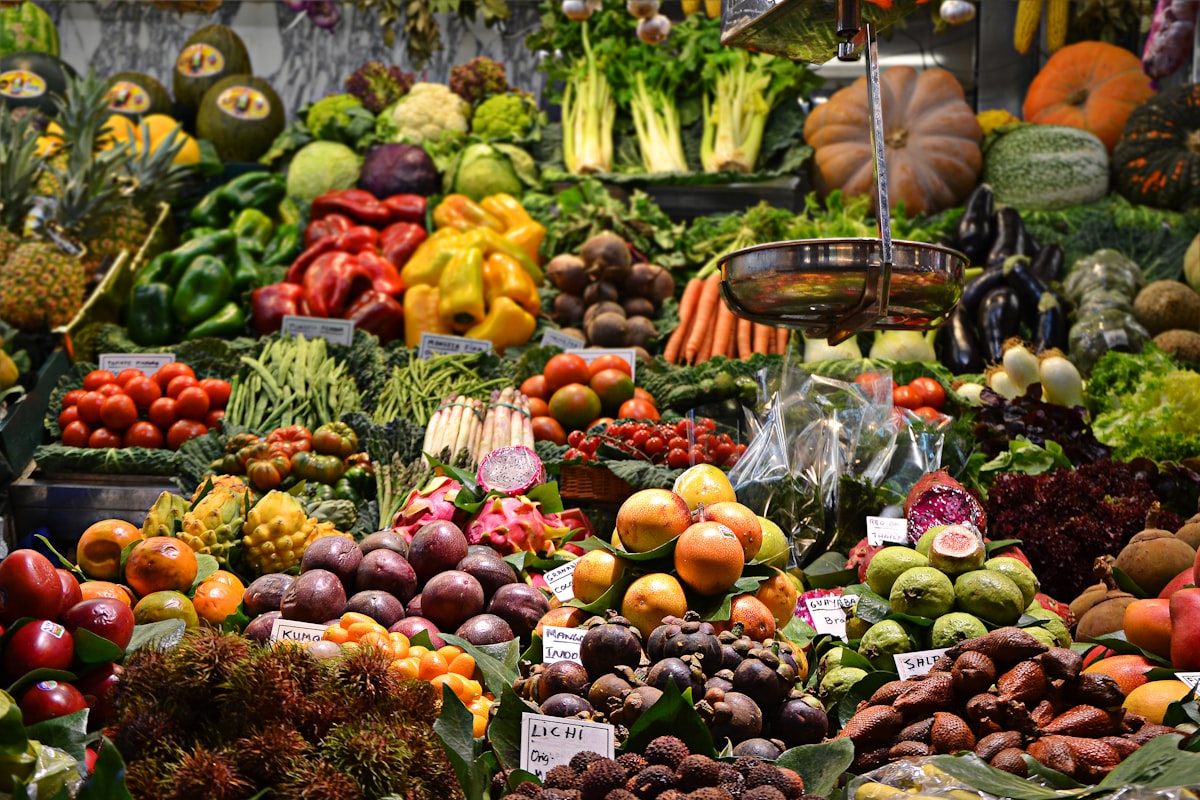
Why Seasonal Eating Matters
Seasonal produce reaches peak ripeness when grown in its natural climate, delivering maximum nutritional density. When you eat seasonally, you're consuming fruits and vegetables at their nutritional prime, with higher levels of vitamins, minerals, and phytonutrients than their off-season counterparts.
Beyond nutrition, seasonal eating supports local agriculture, reduces food miles and environmental impact, and helps your body adapt naturally to changing seasons. Our body's nutritional needs shift throughout the year—warmer months call for light, hydrating produce; colder months benefit from warming, mineral-rich root vegetables.
- Peak Nutrition: Seasonal produce is often richer in vitamins and antioxidants.% more vitamins and antioxidants
- Cost Efficiency: In-season produce costs less and tastes better
- Environmental Impact: Reduced transportation and storage emissions
Autumn's Nutritional Powerhouses
Discover the seasonal produce available right now in UK markets
Apples
Rich in fibre and polyphenols, apples support digestive health and provide sustained energy. Store in cool conditions for months of availability.
Peak months: September–November
Key nutrients: Fibre, Vitamin C, Quercetin
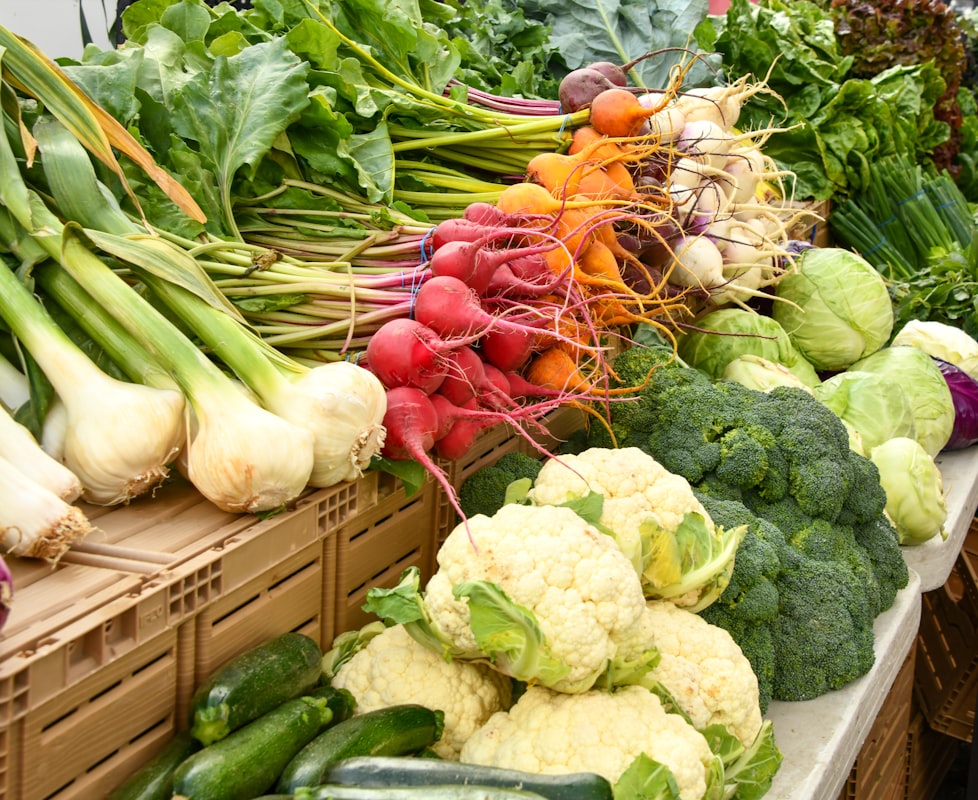
Root Vegetables
Carrots, parsnips, and beetroot are warming, nutrient-dense foods perfect for autumn and winter. High in beta-carotene and supporting immune function.
Peak months: October–January
Key nutrients: Beta-carotene, Manganese, Folate
Squash & Pumpkins
Autumn's signature vegetables are packed with beta-carotene and provide satisfying, warming meals. Excellent source of potassium and antioxidants.
Peak months: September–December
Key nutrients: Beta-carotene, Potassium, Magnesium
Leafy Greens
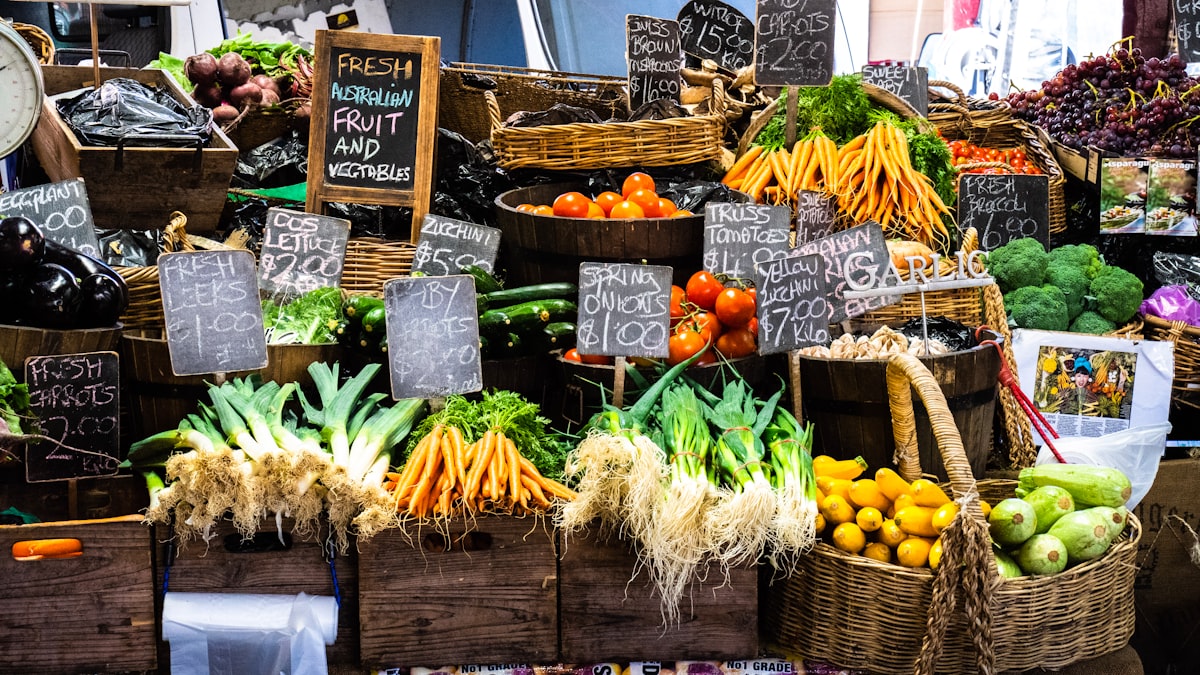
Kale, chard, and spinach thrive in cooler weather and are nutritional powerhouses. Loaded with iron, calcium, and protective phytochemicals.
Peak months: September–April
Key nutrients: Iron, Calcium, Vitamins K & C
Mushrooms
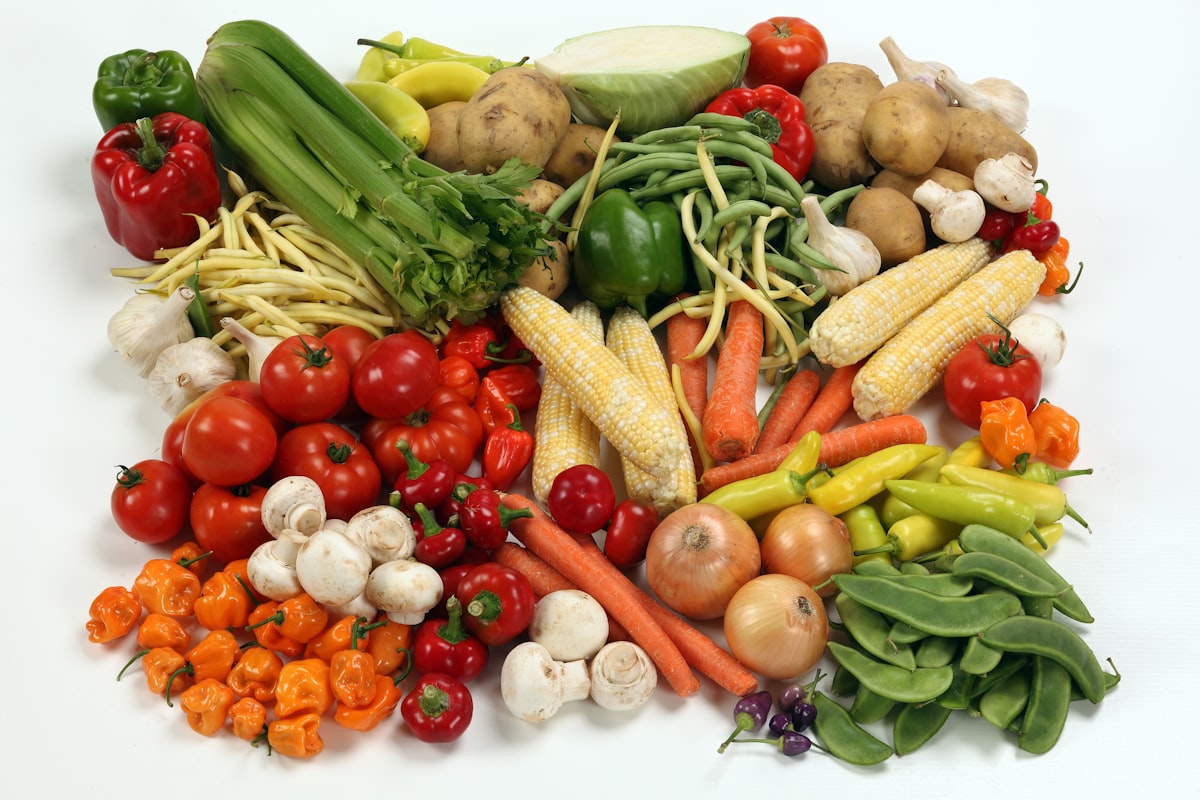
Autumn brings diverse mushroom varieties rich in selenium and B vitamins. Support immune function and provide umami flavour to seasonal dishes.
Peak months: September–November
Key nutrients: Selenium, B Vitamins, Ergothioneine
Pears
Autumn pears are sweet and fibre-rich, supporting digestive wellness. Contain unique compounds that may benefit bone and gut health.
Peak months: August–October
Key nutrients: Fibre, Copper, Vitamin C
Seasonal Eating Through The Year
Understand how seasonal availability changes and plan your wellness journey
Winter (Dec–Feb)
Winter seasons focus on warming, nourishing foods that support immune health. Root vegetables, citrus fruits, and hardy greens dominate UK markets, providing comfort and protective nutrients during cold months.
Key Produce: Citrus fruits, parsnips, Brussels sprouts, cabbage
Wellness Focus: Immune support, warmth, sustained energy
Preparation Style: Slow cooking, roasting, warming broths
Spring (Mar–May)
Spring brings renewal and detoxification-supporting foods. Fresh shoots, tender greens, and early herbs help your body transition into warmer months, rich in chlorophyll and vital minerals.
Key Produce: Asparagus, spring greens, peas, rhubarb
Wellness Focus: Renewal, gentle detox, energy balance
Preparation Style: Light cooking, fresh salads, steaming
Summer (Jun–Aug)
Summer abundance brings hydrating, light, refreshing foods perfect for warm weather. Berries, stone fruits, and watery vegetables help keep you cool and energised during peak season.
Key Produce: Berries, courgettes, tomatoes, stone fruits
Wellness Focus: Hydration, light nutrition, antioxidants
Preparation Style: Raw, chilled dishes, minimal cooking
Autumn (Sep–Nov)
Autumn brings grounding, sustaining foods that prepare your body for winter. Rich in minerals and warming spices, this season's produce supports transition and immune preparation naturally.
Key Produce: Apples, squash, mushrooms, leafy greens
Wellness Focus: Grounding, immune support, vitality
Preparation Style: Roasting, warming spices, comfort foods
Benefits of Embracing Seasonal Eating
Transform your wellness journey with nature-aligned nutrition
Maximum Nutrient Density
Seasonal produce reaches peak ripeness in its natural growing season, delivering significantly higher levels of vitamins, minerals, and phytochemicals than off-season alternatives.
Cost-Effective Eating
In-season produce is abundant and competitively priced. Buying what's in season supports your budget while enjoying the best quality food your money can buy.
Lower Environmental Impact
Locally-grown seasonal produce requires minimal storage, refrigeration, and transportation, significantly reducing carbon footprint and supporting sustainable food systems.
Natural Body Adaptation
Your body's nutritional needs change throughout the year. Seasonal eating aligns naturally with these shifts—warming foods for cold months, hydrating produce for summer heat.
Superior Flavour Profile
Seasonal produce tastes noticeably better—picked at peak ripeness and enjoyed fresh. Enhanced flavour means more satisfying meals and greater enjoyment of whole foods.
Community & Local Support
Choosing seasonal, local produce strengthens regional farming communities, supports sustainable agriculture, and creates meaningful connections between consumers and growers.
What Our Readers Say
Discover how seasonal eating has transformed wellness journeys across the UK
"Wellnesscoachjourney's seasonal eating articles completely transformed how I approach nutrition. Following their autumn guide, I started buying from local markets and honestly feel more energised than I have in years. (Individual results may vary) The explanations about why certain foods are better in specific seasons finally made the science click for me."
Sarah Jenkins
Manchester, UK
"I've always been confused about which produce to buy each season. The detailed guides here break everything down—what's available, why it matters nutritionally, and how to use it. My kitchen has never been more seasonal and my body has never felt better."
Michael Richardson
Bristol, UK
"The way you explain the connection between seasonal produce and body needs is brilliant. For the first time, I understand why my energy naturally shifts through the year and how eating seasonally actually supports that. Best wellness resource I've found."
Laura Chen
Edinburgh, UK
"As someone concerned about environmental impact, I love that these articles explain how seasonal eating reduces food miles. Now I feel good about my choices—both for my body and the planet. Highly recommend to anyone serious about wellness."
David Patterson
London, UK
Frequently Asked Questions
Common questions about seasonal eating answered
Yes, seasonal eating is fundamentally about eating what naturally grows in your region during specific times. Everyone can benefit—it's not a restrictive diet but rather a framework for eating more nutritiously and sustainably. People with specific dietary needs can adapt seasonal eating to their requirements, focusing on seasonal produce that aligns with their personal choices.
Seasonal eating doesn't mean you can never enjoy certain foods—it's about prioritising in-season produce for maximum nutrition and cost-efficiency. Off-season produce is available but at premium prices and with reduced nutritional value due to travel and storage. The key is shifting your diet's foundation to seasonal items whilst allowing flexibility for occasional favourites. Over time, you may discover new preferred foods as you explore what's currently available.
Local farmers' markets are your best resource—they showcase what's currently growing in your region. Supermarkets also typically stock seasonal produce prominently during peak times. Many markets have stalls organised by season, making it easy to see what's available. Our Seasonal Produce guide lists UK-specific availability by month, helping you know exactly what to look for when you shop.
Seasonal eating typically costs less. When produce is in season and abundant, prices drop due to high supply. Off-season imports are expensive because they require transportation, refrigeration, and storage. By eating seasonally, you save money whilst getting better-quality, more nutrient-dense food. Markets often offer bulk deals on seasonal produce, further reducing your overall food costs.
What Our Clients Say
"Switching to seasonal eating transformed my energy levels and digestion. The wellness coach journey approach made it simple and sustainable."
Sarah Mitchell
Melbourne, Australia
"I save money on groceries and feel better. The seasonal eating guide was a game-changer for my whole family's health journey."
James Chen
Sydney, Australia
"Finally understanding nutrition made a real difference. The personalized coaching helped me build habits that actually stick."
Emma Rodriguez
Brisbane, Australia
"My blood sugar levels stabilized within weeks. This program combines science with practical advice I can actually follow."
David Thompson
Perth, Australia
Ready to Transform Your Health?
Start your wellness coach journey today. Discover how seasonal eating can revolutionize your energy, digestion, and overall wellbeing.
Join hundreds of Australians on their wellness transformation journey.